
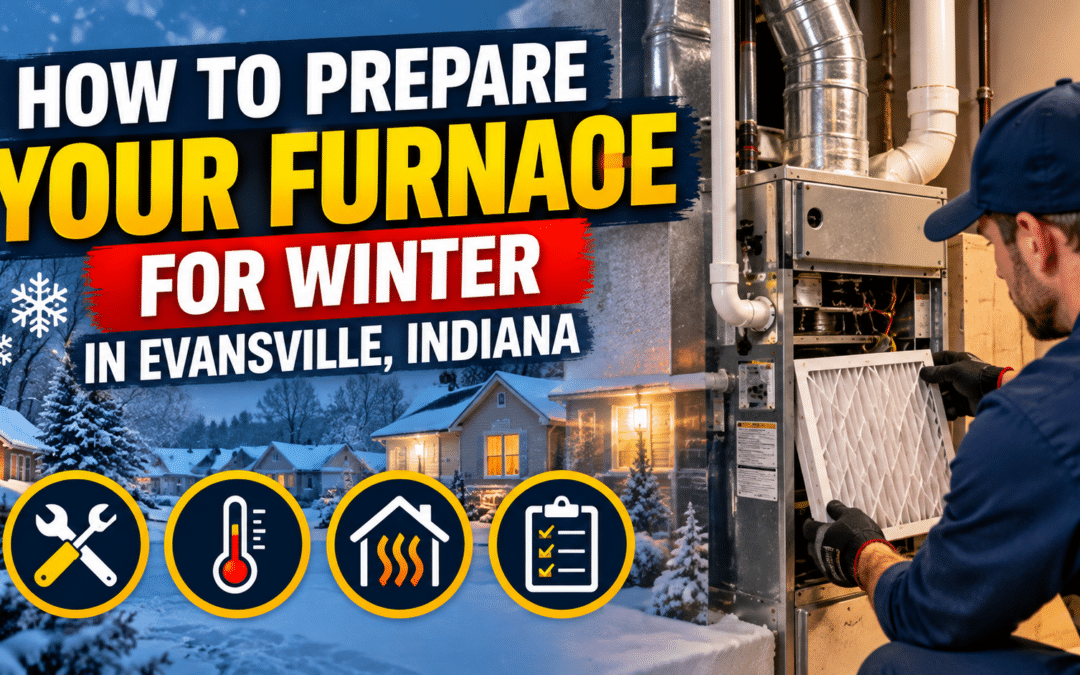
Indiana temperatures can change quickly as the heating season approaches. You do not need to wait for the first cold night to find out whether your furnace is working properly. A little preparation, combined with a professional preseason inspection when appropriate, can help you enter winter with fewer surprises.
Test the thermostat before temperatures drop
Switch the thermostat to Heat and select a setting slightly above the current indoor temperature. Confirm that the system responds, warm air arrives after normal startup, and the thermostat displays the correct mode. If the equipment behaves unusually, stop and arrange an inspection rather than repeatedly restarting it.
Check the air filter
A clean, compatible filter helps maintain airflow. Look up the appropriate filter size and type for your system, and inspect it according to the manufacturer instructions. Filters may get dirty faster in homes with pets or high dust levels. Make sure returns and supply registers are not blocked by furniture or stored items.
Inspect accessible vents and surrounding areas
Keep combustible materials away from the furnace according to manufacturer clearances. Make sure accessible vents are unobstructed. Do not modify flues, combustion-air openings, electrical wiring, or gas connections. A contractor should investigate damaged or suspected blocked exhaust components.
Consider a professional fall tune-up
ENERGY STAR recommends having heating equipment checked before the busiest part of the season. The exact work depends on whether the home uses a gas furnace, an electric heating system, or a heat pump. A qualified technician may inspect relevant controls, electrical connections, airflow, and combustion-safety components for gas appliances.
Test smoke and carbon monoxide alarms
Follow the alarm manufacturers’ recommendations for testing, replacement, and placement. Carbon monoxide is a serious concern with fuel-burning equipment and certain other sources. If a carbon monoxide alarm sounds or you suspect a gas leak, leave the building and follow emergency instructions from a safe location.
Review comfort issues from last winter
Did certain rooms stay cold? Was there frequent cycling, unusual noise, or a rising number of service calls? Write down those patterns. A technician can investigate possible causes such as airflow restrictions, controls, duct conditions, or equipment faults. A new furnace may not resolve a distribution problem on its own.
Think beyond the furnace
Weatherstripping, insulation, window conditions, and reasonable thermostat settings affect winter comfort and energy use. Addressing drafts and air leaks can reduce the heating load, although home improvements should be chosen based on the building’s condition and priorities.
Make a simple winter-ready list
- Test the thermostat and note unusual system behavior.
- Inspect or replace the correct air filter.
- Clear accessible vents and return grilles.
- Check alarm operation using manufacturer guidance.
- Record recurring heating or airflow complaints.
- Schedule professional service when needed.
Evansville heating maintenance and repair
Evansville Heating and Air Conditioning provides residential heating service and HVAC maintenance. Explore our residential HVAC services and maintenance options, or contact us at (812) 618-2659.
Make a fall plan before the first cold night
A furnace is easy to forget while the weather is mild. Before temperatures drop, make a short checklist that includes the thermostat, filters, vents, and any recommended professional service. Locate the owner’s manual or save a digital copy. If you have recently moved, identify the type of heating system rather than assuming every home uses a gas furnace. Some Evansville homes use heat pumps or other equipment with different maintenance instructions.
You do not need to dismantle anything to prepare. The most useful homeowner checks are visible, accessible, and permitted by the manufacturer. If you find an unfamiliar control, a damaged cable, or signs of a leak, stop and ask a professional for help.
Check your thermostat before you need heat
Set the thermostat to its heating mode and confirm that schedules reflect the household’s routine. A programmable schedule left over from summer may cause confusion. If the thermostat uses batteries, replace them as directed. Pay attention to whether the system responds normally, but do not keep cycling the equipment or forcing repeated restarts if it behaves unexpectedly.
If the house has several zones, check the controls that serve each area. A room that stays cold may be related to its thermostat, airflow, or insulation rather than the main furnace. Write down anything unusual so you can describe it clearly during an appointment.
Give airflow the attention it deserves
A clogged filter can restrict airflow and make equipment work harder. Confirm the filter size and change it according to the manufacturer’s instructions. Avoid choosing an extra-dense filter simply because its packaging promises stronger filtration; the system still needs adequate airflow. Keep return grilles and supply registers clear of stored boxes, rugs, and large furniture.
Walk through the home and notice rooms that have become colder than others. Check whether a vent has been covered during furniture changes or renovations. If the problem remains, ask a technician about airflow or ductwork instead of closing even more vents to redirect air.
Do not overlook carbon monoxide and gas safety
Fuel-burning heating equipment requires special attention to safe operation. Check smoke and carbon monoxide alarms according to manufacturer instructions, including battery and replacement-date guidance. An alarm is not a maintenance substitute, and homeowners should not treat a lack of alarm activity as proof that the furnace is safe. A qualified technician can evaluate relevant heating and venting conditions during professional service.
If you smell gas, leave the building and contact the utility or emergency responders from a safe location. If a carbon monoxide alarm activates, move everyone to fresh air and follow emergency guidance. Do not use a kitchen oven, outdoor grill, or generator for indoor heat.
What to ask at a fall furnace appointment
Describe any previous winter problems, unusual sounds, rooms that stay cold, or recent thermostat changes. Ask what the technician inspected, whether any safety or performance concerns were found, and what repairs—if any—are recommended. Keep a copy of the report alongside the furnace manual and past invoices.
A maintenance visit should leave you with a practical understanding of the heating system’s condition. It should not rely on vague promises that no breakdown will occur. Preventive care may lower the risk of avoidable problems, but equipment can still fail unexpectedly.
Keep the plan realistic throughout winter
After the heating season begins, check filters and vents periodically and pay attention to new noises, short cycling, or rooms that fail to warm. Do not ignore changes simply because the equipment still turns on. A clear record helps the technician investigate a developing issue and may help you decide on repair versus replacement if the system is aging.
Frequently asked questions
Q? When should I schedule a furnace tune-up?
A. Fall, before consistent heating demand, is a practical time for many homes. Check the manufacturer’s guidance for your equipment.
Q? What if my furnace smells strange at startup?
A. Persistent burning, gas-like, or electrical odors should be investigated. If you suspect gas or carbon monoxide, leave immediately and follow emergency guidance.
Q? Does replacing a filter count as a full tune-up?
A. No. Filter care is useful homeowner maintenance but does not replace a professional system inspection.
Evansville Heating And Air Conditioning
https://maps.app.goo.gl/D7tMzVR6FDK5okjM9
5625 Pearl Dr. Suite F Box 200 Evansville, IN 47712
(812) 618-2659
https://evansvilleheatingandair.com/